
Overview
Artificial intelligence (AI) tools are increasingly used in hospitals to support diagnosis, triage, and treatment decisions. But growing evidence shows that these tools can replicate, or even amplify, biases present in the data they’re trained on.
For our April webinar—"What is bias in AI—and how can hospitals prevent it?"—leading AI researchers did a deep dive into the latest data, trends, and clinical strategies aimed at keeping biased AI tools out of hospitals. They explored how health systems can responsibly evaluate AI tools, especially as adoption accelerates.
In a roundtable discussion, Paige Nong, PhD, A Jay Holmgren, PhD, MHI, and Ryan Levi from Tradeoffs covered:
- What exactly is bias in artificial intelligence—and why does it matter in clinical care?
- How many hospitals are actively testing their AI tools for bias?
- What does it look like for a hospital to locally test their AI tools?
- How can hospitals with limited resources make sure their AI tools are tested for bias?
Our speakers also discussed recent findings from "Current Use And Evaluation Of Artificial Intelligence And Predictive Models In US Hospitals," "How Academic Medical Centers Govern AI Prediction Tools in the Context of Uncertainty and Evolving Regulation," and "Equity and AI Governance at Academic Medical Centers."
Date
Wednesday, April 30, 2025Time
Organizers
Speakers

Paige Nong, PhD
Assistant Professor, University of Minnesota School of Public Health
Paige's research focuses on health information technology and its social implications. As a health services researcher with disciplinary expertise in sociology, learning health systems, health informatics, and policy, her work focuses on making advanced technologies patient-centered, fair, and accurate.

A Jay Holmgren, PhD
Assistant Professor and the Associate Division Chief for Research, UCSF Division of Clinical Informatics and Digital Transformation (DoC-IT)
Director, Center for Clinical Informatics and Improvement Research
A Jay's research focuses on information technology and digital health. He is interested in the ways that information technology affects patients, providers, and healthcare organizations, with a particular interest in the use of electronic health records throughout the care delivery process. He is a faculty affiliate at the UCSF Bakar Computational Health Sciences Institute, the Philip R. Lee Institute for Health Policy Studies and the UCSF UC Berkeley Joint Program in Computational Precision Health, and a Senior Advisor at the Stanford Clinical Excellence Research Center.

Ryan Levi
Reporter and Producer, Tradeoffs
Ryan Levi is a reporter and producer for the nonprofit health policy news organization Tradeoffs, where he covers Medicaid, mental health, addiction and AI. Ryan joined the team in 2019 after three years at KQED in San Francisco. His work has been featured on NPR, PBS NewsHour, The Marshall Project, Slate and Marketplace.
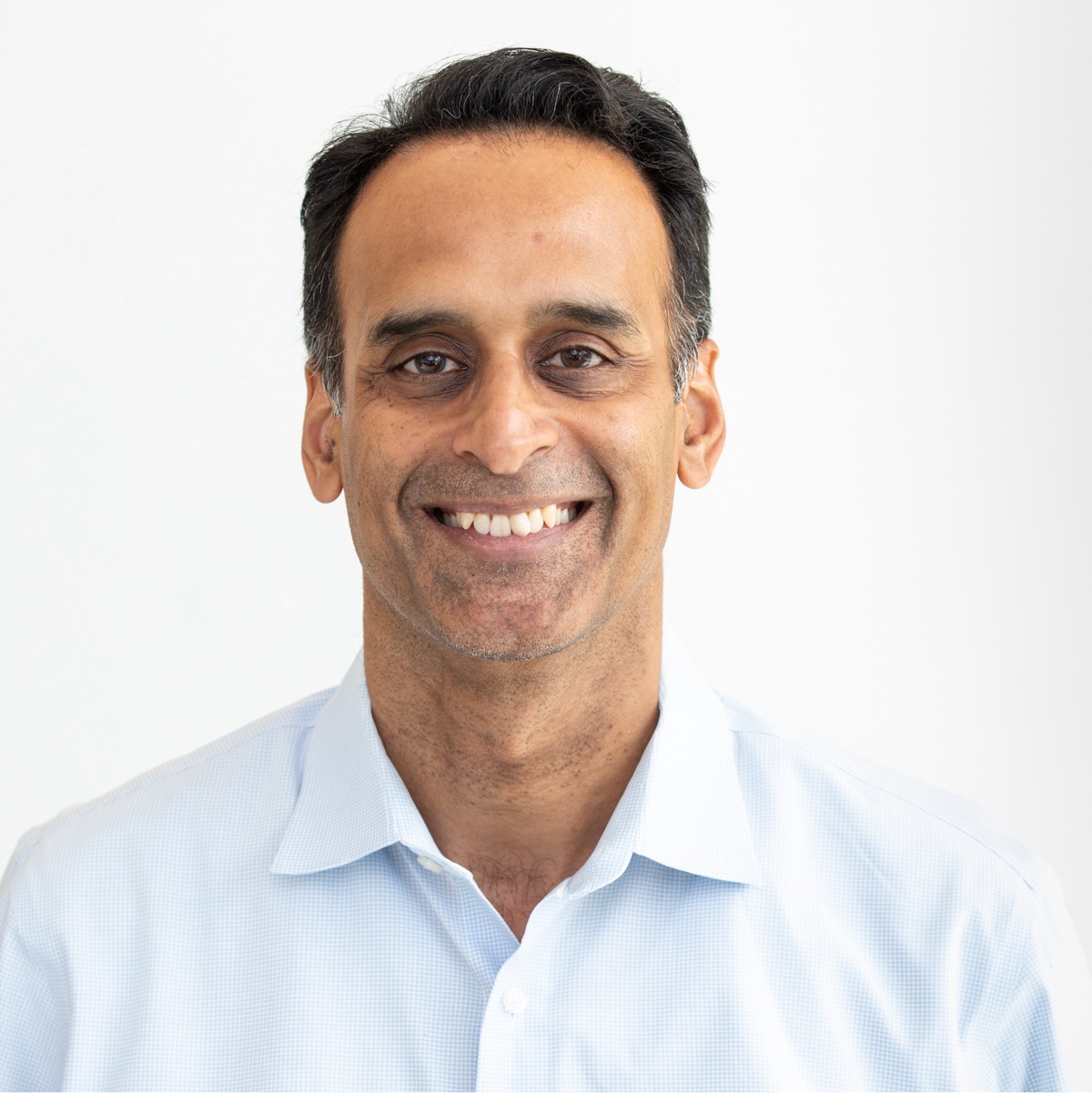
Sumant Ranji, MD
Director, UCSF CODEX
Professor of Clinical Medicine, Division of Hospital Medicine at the Zuckerberg San Francisco General Hospital (ZSFG)
Dr. Ranji is a renowned leader in patient safety, quality improvement, and medical education. He first joined UCSF as a fellow in hospital medicine and clinical research, then went on to become a faculty member in the Division of Hospital Medicine at UCSF Health, where he held multiple leadership positions. As director of CODEX, Dr. Ranji leads the center’s strategic planning and the execution of its work to champion diagnostic excellence research and build awareness of and engagement within the field.
Learn more about Sumant here.