
Overview
AI-powered health tools can enable patients to get screened or diagnosed for a wide range of health conditions from home using everyday devices like smartwatches and phone apps. They’re scalable, accessible, and cost-effective, and they pose incredible promise for eliminating travel, reducing costs, and saving time. It sounds like the perfect solution for improving healthcare access.
But these tools don't work equally well for everyone.
In practice, remotely delivered digital health tools can perform worse for people using older devices, those with slower internet connections, or individuals less comfortable with technology. Ironically, this means the very people who would benefit most from accessible, at-home screening and diagnosis—including rural Americans and other underserved communities—may be left behind by the technology designed to help them.
During this webinar, Peter Yiğitcan Washington, PhD, will share eye-opening examples of where and how these digital health tools fall short, drawing from his team's work developing various remote assessments. More importantly, he'll walk through the algorithmic solutions his team is pioneering to make these tools more reliable and accessible across different populations, devices, and contexts. The session will conclude with a preview of exciting future directions in this area and the Q&A portion of the event.
Date
Wednesday, February 25, 2026Time
Speakers
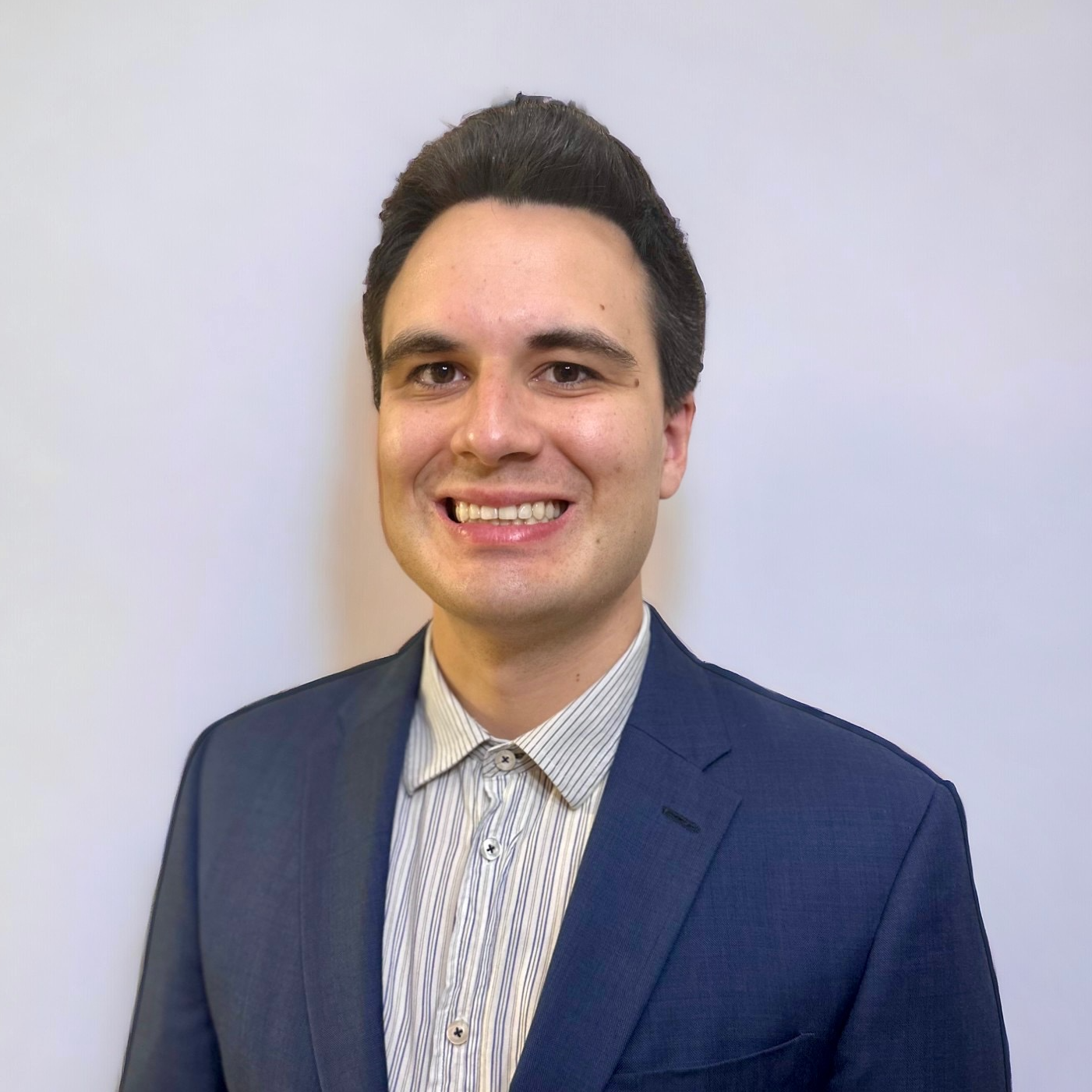
Peter Yiğitcan Washington, PhD
Assistant Professor, Division of Clinical Informatics and Digital Transformation (DoC-IT), UCSF
Dr. Washington's research program focuses on computational and human-centered aspects of consumer digital health informatics, with an eventual goal of studying implementation aspects as well in order to translate these technologies into real-world practice. His group, the UCSF TECH Lab, focuses on building digital diagnostics, therapeutics, and monitoring tools using wearables, smartphones, websites, and specialized health hardware for a variety of health conditions that we are passionate about.
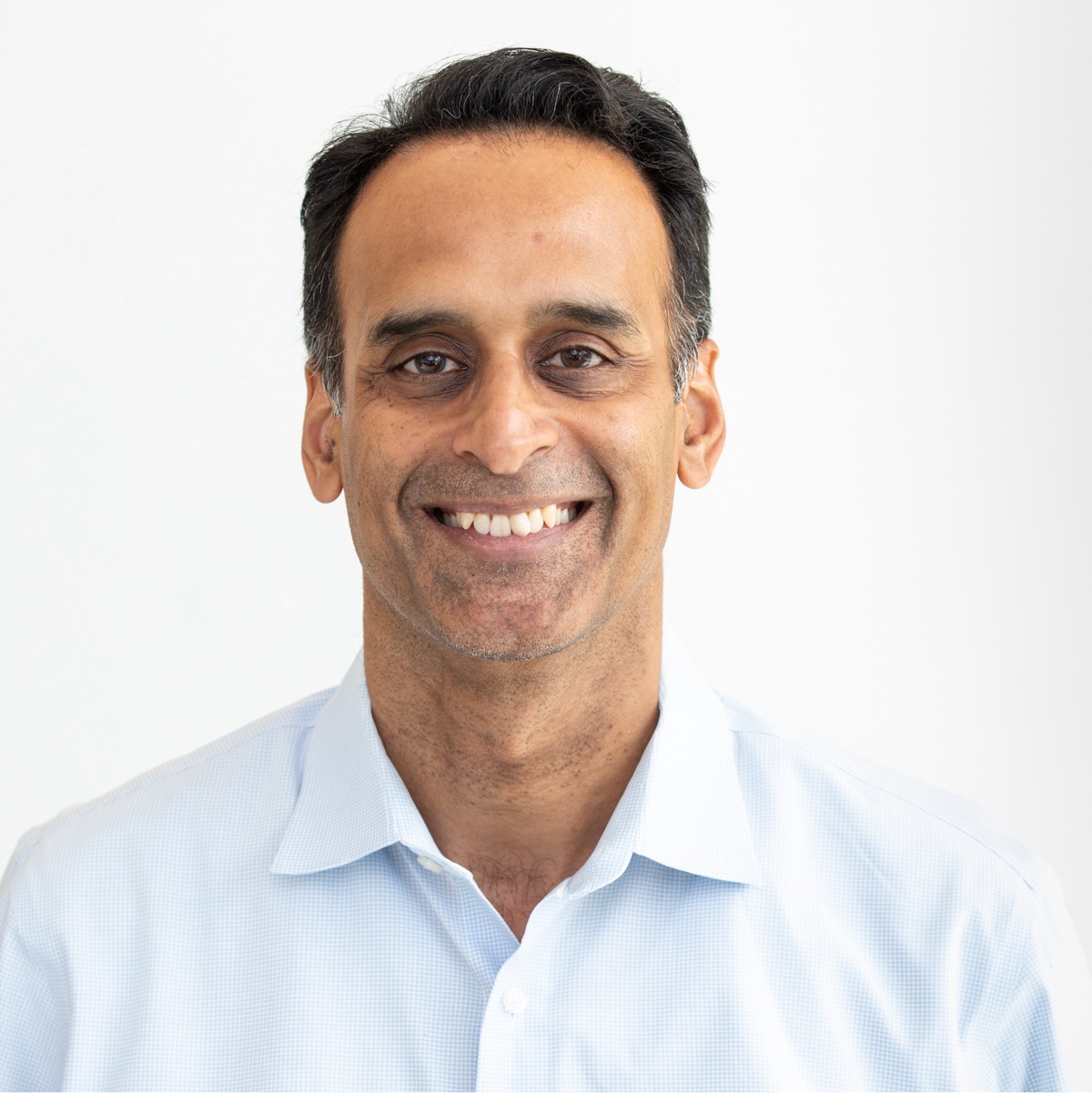
Sumant Ranji, MD
Director, UCSF CODEX
Professor of Clinical Medicine, Division of Hospital Medicine at the Zuckerberg San Francisco General Hospital (ZSFG)
Dr. Ranji is a renowned leader in patient safety, quality improvement, and medical education. He first joined UCSF as a fellow in hospital medicine and clinical research, then went on to become a faculty member in the Division of Hospital Medicine at UCSF Health, where he held multiple leadership positions. As director of CODEX, Dr. Ranji leads the center’s strategic planning and the execution of its work to champion diagnostic excellence research and build awareness of and engagement within the field.
Learn more about Sumant here.