
Overview
Learning from diagnostic errors is essential to improving patient safety, but current methods for identifying missed diagnoses are frustratingly inefficient, requiring hours of physician chart review to find a handful of meaningful cases.
This November, Adrian Haimovich, MD, PhD, shared how his team is using large language models to transform this process. In a study conducted across 10 emergency departments, Dr. Haimovich demonstrates that sequential screening, which combines traditional e-triggers with LLM review, improves efficiency in the detection of missed diagnoses compared to e-triggers alone. His work also explores a potential novel application: AI-generated case summaries that can provide actionable feedback to individual clinicians. (View the preprint here.)
Dr. Haimovich then shifted to the bigger question that drives his work: How do we move beyond looking backward at what went wrong to actually preventing diagnostic errors in real time? This second part of his talk explores the challenging—and critical—leap from retrospective to prospective intervention at the point of care.
Date
Thursday, November 20, 2025Time
Organizers
Speakers
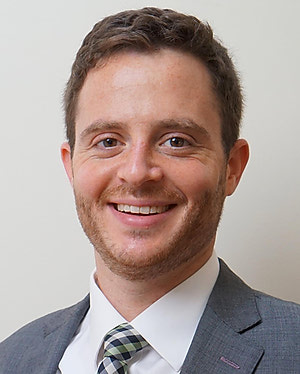
Adrian Haimovich, MD, PhD
Assistant Professor of Emergency Medicine, Beth Israel Deaconess Medical Center and Harvard Medical School
Dr. Haimovich's work sits at the intersection of emergency care, artificial intelligence, and care quality.
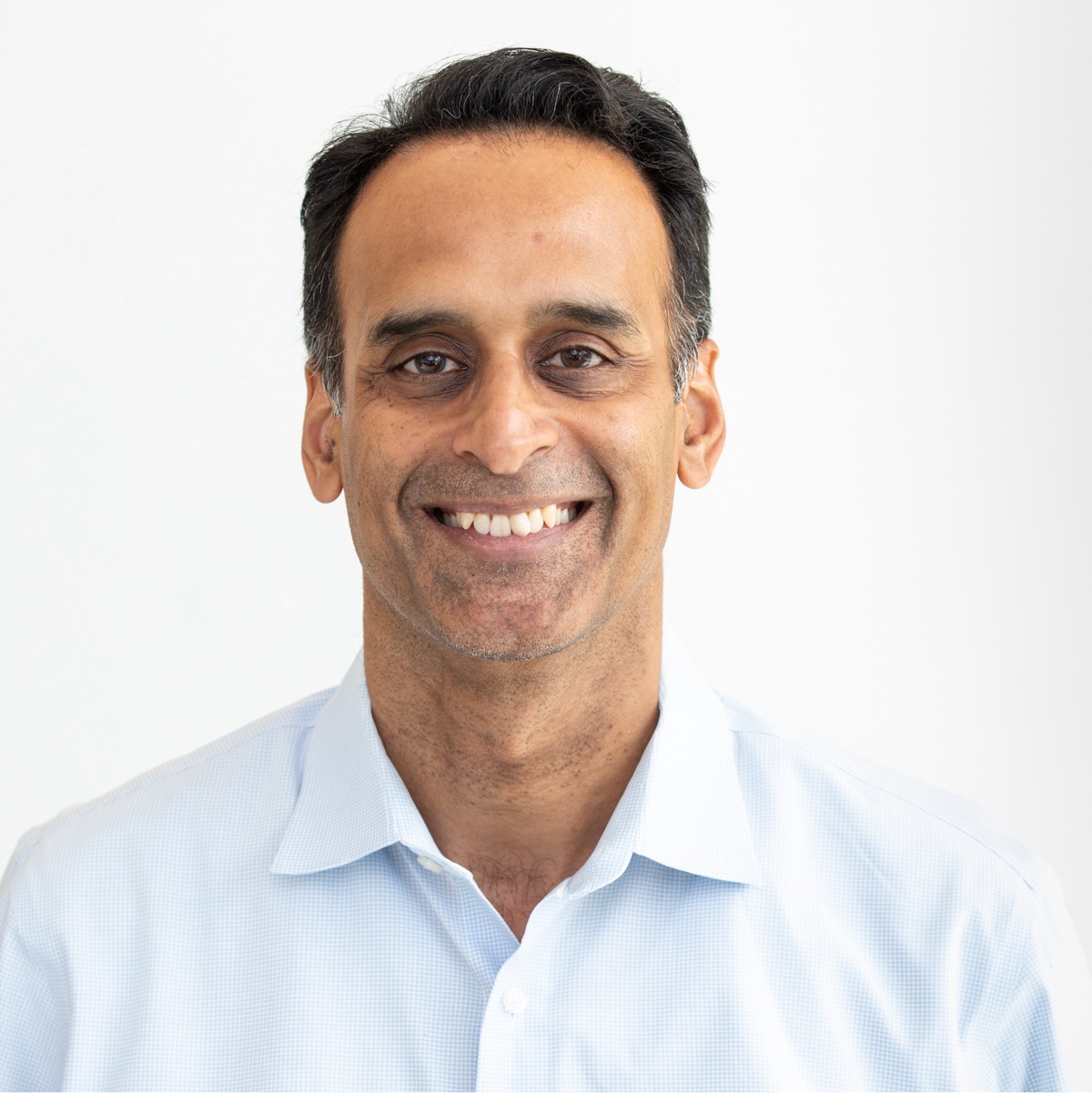
Sumant Ranji, MD
Director, UCSF CODEX
Professor of Clinical Medicine, Division of Hospital Medicine at the Zuckerberg San Francisco General Hospital (ZSFG)
Dr. Ranji is a renowned leader in patient safety, quality improvement, and medical education. He first joined UCSF as a fellow in hospital medicine and clinical research, then went on to become a faculty member in the Division of Hospital Medicine at UCSF Health, where he held multiple leadership positions. As director of CODEX, Dr. Ranji leads the center’s strategic planning and the execution of its work to champion diagnostic excellence research and build awareness of and engagement within the field.
Learn more about Sumant here.