
Summary
Created in collaboration with Helen Haskell, MA, Chair of the Patient Engagement Committee for Community Improving Diagnosis in Medicine (CIDM)
Patients and caregivers are at the center of the diagnostic process. That means patients, families, and healthcare providers need to work together to ensure a safe, timely, and accurate diagnosis, along with appropriate follow-up. Diagnosis is about you.
This collection of free-to-access articles and additional resources provides a list of curated research highlighting the importance of patient/family partnership in diagnostic safety work from pre-visit planning to advancing diagnostic excellence work for the next patient and family.
Diagnostic Excellence in One’s Own Care
What are the issues patients face in diagnosis?
Diagnosis depends on so much more than the doctor. Diagnosis is a deep, ongoing process between patients, families, clinicians, nurses, and technical teams – as well as online tools! Unfortunately, this process can break down and result in:
- Incorrect diagnosis
- Delayed diagnosis
- Miscommunication about diagnosis
- Uncertainty: sometimes a diagnosis doesn't exist or takes a long time to find the right one
- Incorrect management or follow-up of a diagnosis.
Sadly, these processes are imperfect, relying on imperfect human beings! While it is challenging to think about what can go wrong, we know that a deeper partnership between patients/families and healthcare teams is key to avoiding harm.
Watch this 2-minute video from the World Health Organization illustrating how diagnostic errors can happen and how you as a patient or family member can improve diagnostic safety for yourself and others.
What is my own risk of diagnostic error?
- The frequency of diagnostic errors in outpatient care: estimations from three large observational studies involving US adult populations.
- This paper estimated 1 in 20 adults will experience a diagnostic error in outpatient settings.
- Diagnostic Errors in Hospitalized Adults Who Died or Were Transferred to Intensive Care.
- This paper found 23% of adult patients who were transferred to the emergency department experienced a missed or delayed diagnosis.
- Exploring sociodemographic disparities in diagnostic problems and mistakes in the quest for diagnostic equity: insights from a national survey of patient experiences.
- Marginalized groups, including by gender, age, income, and race/ethnicity, are at greater risk of encountering diagnostic problems.
- Marginalized groups, including by gender, age, income, and race/ethnicity, are at greater risk of encountering diagnostic problems.
How can I best advocate for myself or my family member to ensure we get the right diagnosis?
Pre-visit planning, in-visit communication, and after-visit follow-up.
Unfortunately, patients and caregivers must always be on the watch for problems in getting safe care. Here are tips before, during, and after a health visit. AI has also opened up the ability for patients and their caregivers to self-diagnose and to research. For more information on navigating diagnosis with AI, see this AI-specific guide.
Visit Planning
- The patient is in: patient involvement strategies for diagnostic error mitigation. McDonald K, Bryce CL, Graber ML. BMJ Qual Saf. 2013.
- This paper outlines specific tactics for preventing and detecting diagnostic errors, as well as questions to ask your provider to reduce diagnostic errors.
This toolkit or this pre-visit planner can help you put those strategies into practice and plan your visit.
Asking Questions During Visits
- Patient Perspectives on Delayed Specialty Follow-Up After a Primary Care Visit.
- This qualitative study talked to patients to understand why they didn’t complete or delayed further testing after being referred in primary care. Seeking out the patient perspective made clear that the severity or urgency of the initial diagnosis was not communicated by their clinician, or patients did not realize their role in scheduling follow-up testing. This checklist offers a list of considerations and questions to ask your clinician during your visit.
- Developing a Framework and Electronic Tool for Communicating Diagnostic Uncertainty in Primary Care: A Qualitative Study.
- Diagnosis is rarely 100% certain. There can be multiple factors causing an illness, and clinicians may need to consider a variety of possibilities for your diagnosis. Navigating uncertainty is a process both healthcare and patients can engage in. This supplemental content provides a template and example questions for patients to ask their doctors.
Reviewing Clinical Notes/Chats/Results in Your Electronic Health Record and Online Portal
- Patient Identification of Diagnostic Safety Blindspots and Participation in “Good Catches” Through Shared Visit Notes.
- This paper analyzes patient-reported documentation errors and found that patients who read at least one visit note were able to identify blind spots that were not known to clinicians (i.e., problems with tests, referrals, or appointment access) or errors such as inaccurate symptoms or histories or missing concerns altogether. Here’s a guide on how to request your health record.
What about when my loved one or I are in the hospital?
Speak up if you are worried. The best experts on a patient’s condition are the patient themselves, their friends, and family members. If you have a feeling that something is not right, ask for help. Patients or their healthcare proxy have the right to a second opinion, a meeting with a clinician, and/or to enter a complaint. See here for signs of a deteriorating patient from the World Patients Alliance.
What should I do if I think I have a wrong, missed, or delayed diagnosis?
You can report a diagnostic issue. Patients can and should report safety and diagnostic concerns.
- Patients may not know they can request a healthcare staff to enter an “Incident Report.” Incident reports enable a safety concern to be documented and reviewed, which can also help the system learn to be better next time. However, you may not receive individual follow-up. For more information, read Using Incident Reporting Systems to Improve Patient Safety and Quality of Care.
- If you seek individual follow-up, please contact the patient experience office at your healthcare site and file your report as a complaint, and CMS will require the facility to follow up.
- For any safety concern, patients can directly report to the Joint Commission, which monitors the safety and quality of healthcare sites. However, please be aware that while your complaint may be investigated, you will not be told the results in line with their Public Information Policy.
- Additionally, if you receive a post-visit survey, you can describe any issues in the free text section. Feedback in diagnosis is important for learning.
The Patient-REported Diagnostic Process Breakdown shows an entire framework for how good diagnostic processes should happen.
Ask yourself these questions about your diagnosis: |
1. Was your concern addressed? |
2. Did you receive a medical exam relevant to your symptoms? |
3. Were tests ordered, completed, and communicated back to you? |
4. Do you understand the next steps in your diagnosis? |
5. Did you feel heard and respected? |
If the answer to any of these is "no," that's a reportable diagnostic process breakdown! |
Know that your perspective matters! The best diagnostic process is one of partnership between medical experts and people who are experts on their own bodies. If you don't feel like you are being heard, it could be medical gaslighting – and you have options to advocate for yourself.
You can connect with community. There are a number of patient advocacy organizations that can support your navigation of a problem in your diagnosis:
- Patients for Patient Safety US (PFPS-US)
- Mothers Against Medical Error
- Consumers Advancing Patient Safety
- PULSE Center for Patient Safety Education & Advocacy
- The Betsy Lehman Center for Patient Safety
- The Light Collective
- The Patient is In
- The Community Improving Diagnosis in Medicine (CIDM)
- Patient-Partnered Center for Diagnostic Excellence
- Society for Participatory Medicine
- World Patients Alliance
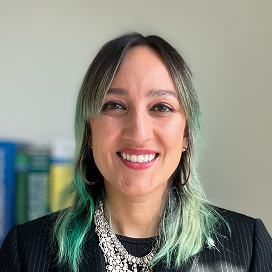
Anjana Sharma, MD
Learning Hub Faculty Lead, UCSF CODEX
Associate Professor, UCSF Department of Family and Community Medicine
Anjana brings a wealth of experience in patient safety, quality improvement, patient engagement, medical education, and health equity. As a primary care physician and researcher, she has spent numerous years studying patient safety in primary and ambulatory care, researched strategies to prevent diagnostic and medication errors, and developed interventions to improve patient engagement in medical care. She also teaches evidence-based medicine and patient involvement in practice improvement to the UCSF Family and Community Medicine Residency Program at ZSFG.
Learn more about Anjana here.

Molly Hammer, PhD
Project Manager, UCSF CODEX
Molly is an education researcher with a background in evaluating educational interventions, communicating scientific findings to educators and policymakers, and learning with technology.
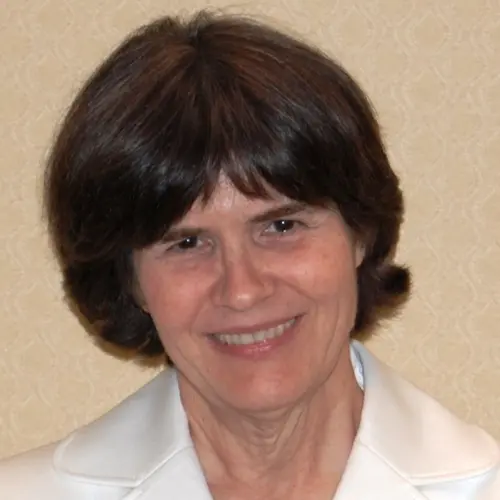
Helen Haskell, MA
Chair of the Patient Engagement Committee, Community Improving Diagnosis in Medicine (CIDM)
President, Mothers Against Medical Error